
NEWNow you can take heed to Fox Information articles!
Extreme daytime napping is related to greater mortality threat in older adults, in line with new analysis from Mass Basic Brigham.
Between 20% and 60% of older adults take naps, in line with the researchers.
Whereas occasional naps have been proven to be refreshing, frequent or extended daytime napping on this group has been related to a variety of health concerns.
CLICK HERE TO DOWNLOAD THE FOX NEWS APP
The research adopted 1,338 older adults for as much as 19 years, monitoring the timing and period of their daytime napping habits utilizing a wrist-worn tracker. They then examined all-cause mortality charges.
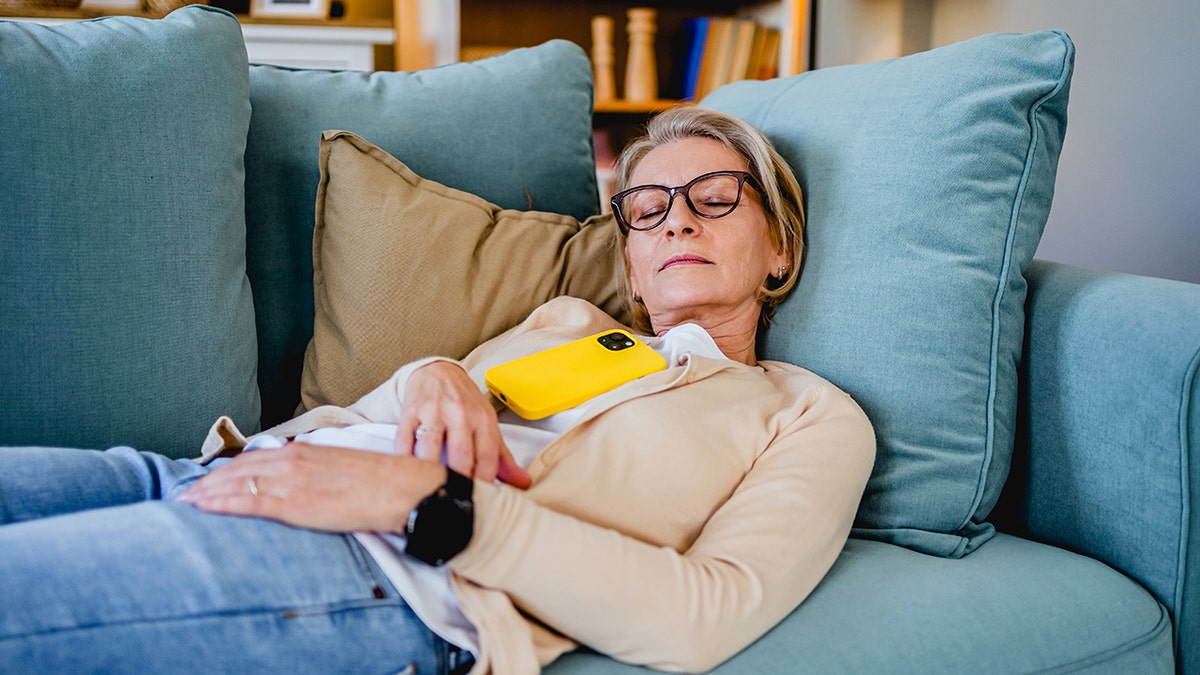
Extreme daytime napping is related to greater mortality threat in older adults, in line with new analysis from Mass Basic Brigham. (iStock)
Taking longer, extra frequent naps — or napping within the morning — had been all related to elevated mortality threat and could also be early warning signs of underlying well being decline, in line with a press launch from Mass Brigham.
Morning naps had been linked to a few 30% improve in mortality threat, and every further hour of day by day napping was related to a few 13% greater threat, the research discovered. Every further nap per day elevated threat by roughly 7%.
CLICK HERE FOR MORE HEALTH STORIES
“Extreme napping later in life has been linked to neurodegeneration, cardiovascular illnesses and even larger morbidity, however lots of these findings depend on self-reported napping habits and miss metrics like when and the way common these naps are,” lead creator Chenlu Gao, Ph.D., an investigator within the division of anesthesiology on the Mass Basic Brigham, mentioned within the press launch.

Morning naps had been linked to a few 30% improve in mortality threat, and every further hour of day by day napping was related to a few 13% greater threat. (iStock)
“Our research is without doubt one of the first to indicate an affiliation between objectively measured nap patterns and mortality and suggests there’s immense medical worth in monitoring napping patterns to catch health conditions early.”
There have been some limitations to the research. As a result of it was observational in design, it solely confirmed that napping might mirror underlying sickness however didn’t show that it brought about mortality.
CLICK HERE TO SIGN UP FOR OUR HEALTH NEWSLETTER
The analysis didn’t have in mind any contributing well being circumstances, and the sleep trackers solely measured motion and never brain activity. This implies relaxation might be misclassified as sleep in some instances.

“Now that we all know there’s a robust correlation between napping patterns and mortality charges, we are able to make the case to implement wearable daytime nap assessments to foretell well being circumstances and stop additional decline.” (iStock)
Additionally, as a result of the research inhabitants was restricted to older, White adults within the Midwest, the outcomes might not apply to different teams.
“You will need to word that that is correlation, not causation. Extreme napping is prone to point out underlying illness, power circumstances, sleep disturbances or circadian dysregulation,” mentioned Gao.
TEST YOURSELF WITH OUR LATEST LIFESTYLE QUIZ
“Now that we all know there’s a robust correlation between napping patterns and mortality charges, we are able to make the case to implement wearable daytime nap assessments to foretell well being circumstances and stop additional decline.”
The research was supported by grants from the Nationwide Institutes of Well being and affiliated analysis packages.