
NEWNow you can take heed to Fox Information articles!
Most of the American colonists’ eating habits have made a comeback lately. They ate minimally processed, domestically sourced complete meals and frequently integrated organ meats into their meals.
Livestock and plenty of Previous World crops had already been launched to North America by European explorers and settlers throughout the centuries earlier than the nation’s founding.
Early settlers tailored European cooking traditions utilizing substances obtainable in North America, the Middle for the Research of the Presidency and Congress (CSPC) reported.
Indigenous peoples launched corn to the colonists, and it grew to become a core ingredient in lots of their recipes. Beans, squash, and potatoes had been among the many different crops that grew to become integrated into colonial cooking, in accordance with the CSPC.
“Cornmeal appeared in dishes corresponding to hasty pudding — a thick porridge much like polenta — and johnnycakes, easy griddle muffins that had been fashionable from New England to the South,” History Facts reported.
Cornmeal Johnnycakes, roast pork and cream cheese are distinctly early-American meals the CSPC has recipes for on its web site.

Corn grew to become a staple of early colonists’ diets after Indigenous peoples launched the crop to the settlers and taught them find out how to domesticate it. (iStock)
Regional customs and crops drastically influenced what the colonists ate. Rice and okra grew effectively and had been plentiful within the South, the place French and African influences additionally formed consuming habits.
Dutch, English and German immigrants largely settled within the north and established the area’s culinary traditions.
Seafood corresponding to rockfish and crab dominated the diets of early Maryland settlers, NPR reported.
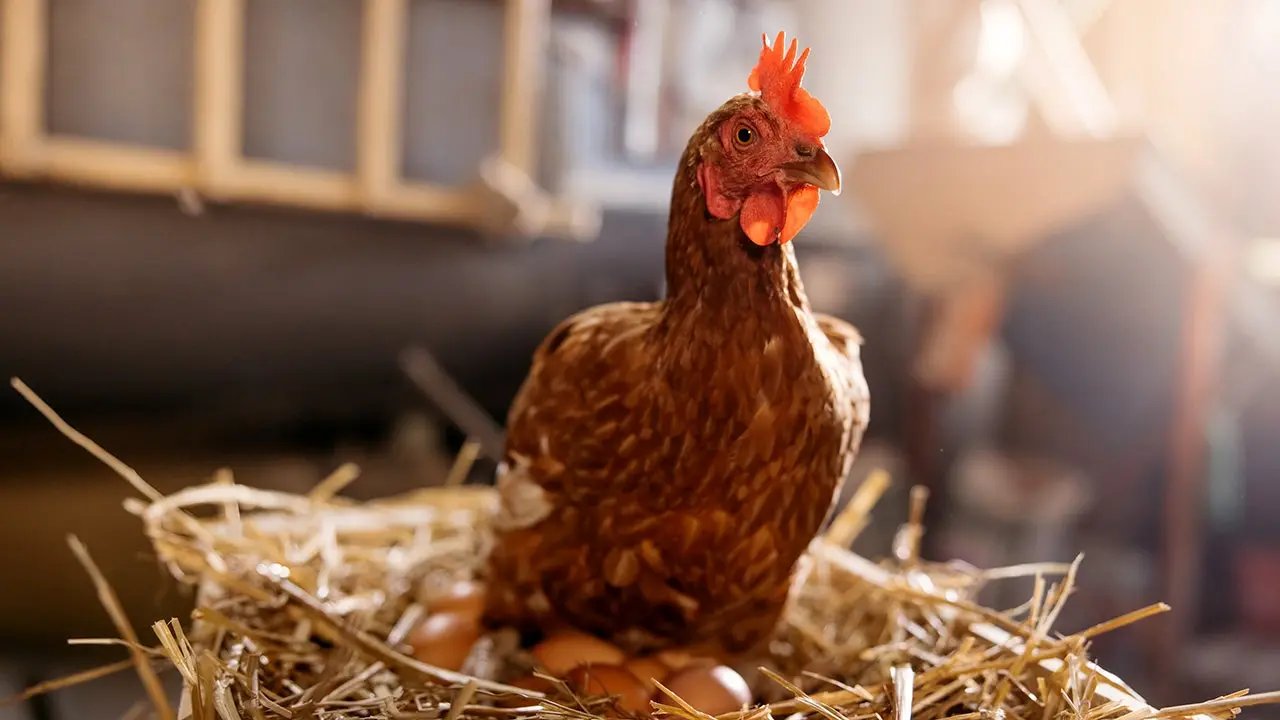
Meat was a standing image, native meals historian Joyce White advised the publication. Beef was prized, and rooster was usually saved for egg manufacturing.
“If it is your pig or cow coming out of your plantation, you do not need to waste it,” White mentioned.
TEST YOURSELF WITH OUR LATEST LIFESTYLE QUIZ
Thomas Jefferson was recognized for his decadent tastes and a passion for French wine and macaroni and cheese. Data present that black-eyed peas, turnip greens and ham had been additionally a part of the Founding Father’s food plan.
Salted and preserved fish and meats, together with bacon, sausage, liver pudding and offal, had been staples of working-class individuals’s diets, whereas the higher courses indulged in such luxuries as white flour and sugar.
Curiosity in these conventional meals has resurfaced lately as some Individuals search diets centered on whole, minimally processed ingredients.

Founding Father Thomas Jefferson was recognized for his continental tastes and loved French wine and macaroni and cheese. (iStock)
Advocates of the Make America Wholesome Once more motion, as an example, have promoted organ meats, or offal, as a few of the cheapest and most nutrient-dense foods individuals can eat.
Stews that developed as substances grew to become obtainable had been additionally widespread an America’s early days.
The quantity of alcohol the colonists consumed was “staggering,” Adrian Miller, writer of “The President’s Kitchen Cupboard,” advised NPR.
“They had been very open about how a lot they had been ingesting,” he mentioned.
CLICK HERE FOR MORE LIFESTYLE NEWS
George Washington wrote a recipe for “small beer” in a journal he saved as a younger colonel in command of the Virginia militia throughout the Seven Years’ Warfare, Fox Information Digital beforehand reported. The New York Public Library homes the journal.
“Small beer,” in accordance with the library, derives its identify from the small amount of alcohol it accommodates. It was fast to make, safer to drink as a result of the brewing course of helped eradicate micro organism within the water — and it was an “on a regular basis, mainstay beverage,” the library reported.
“Whereas the 1776 Food regimen has some positives — corresponding to emphasizing complete meals, residence cooking and fewer ultra-processed meals — it’s not one I’d suggest following too actually,” registered dietician Lisa R. Younger, adjunct professor of diet at New York College, advised Fox Information Digital.
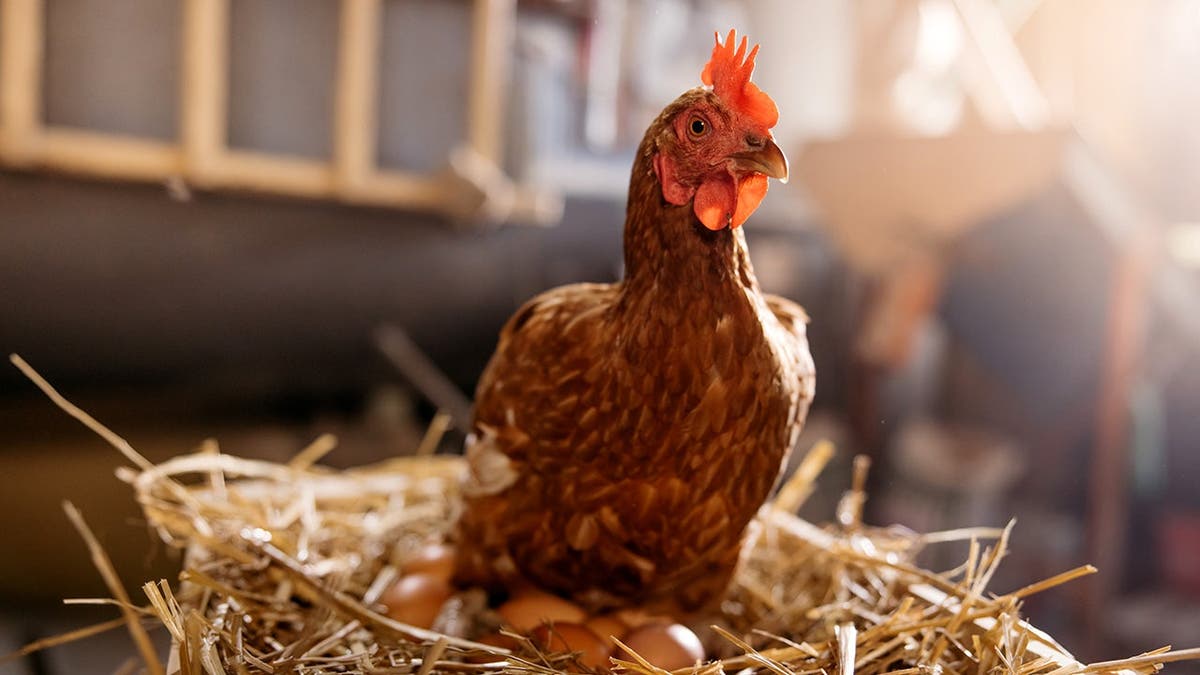
Working-class colonists would usually save chickens for his or her eggs, somewhat than consuming their meat. (iStock)
“Colonial Individuals usually ate meals like salted ham, organ meats and different preserved meats out of necessity,” she mentioned. “At this time, we all know it’s finest to restrict processed and cured meats as a result of they’re excessive in sodium and saturated fats, and organ meats, whereas nutrient-dense, are finest eaten sparsely because of their excessive ldl cholesterol content material.”
CLICK HERE TO SIGN UP FOR OUR LIFESTYLE NEWSLETTER
Deal with the healthiest facets of the 1776 food plan, Younger advisable. That features loads of fruit and veggies, beans, complete grains, fish and lean proteins.
“After all, you possibly can emulate the Founding Fathers’ food plan for the week of the 250th anniversary,” she mentioned. “What you eat for a day or every week gained’t matter a lot within the scheme of issues.”
CLICK HERE TO DOWNLOAD THE FOX NEWS APP
Among the Founding Fathers drank a variety of ale, usually within the morning, Younger famous.
“We shouldn’t emulate that,” she mentioned.