
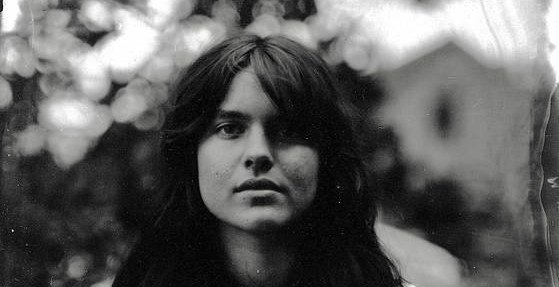
In January, people artist Murphy Campbell found a number of songs on her Spotify profile that did not belong there. They have been songs that she had recorded, however she’d by no means uploaded them to Spotify, and one thing was off in regards to the vocals.
She shortly surmised that somebody had pulled performances of the songs she posted to YouTube, created AI covers, and uploaded them to streaming platforms underneath her title. I ran one of many songs, “4 Marys”, by way of two totally different AI detectors, and it appeared to assist her suspicions with each saying it was most likely AI-generated.
Campbell was shocked, “I used to be form of underneath the impression that we had slightly bit extra checks in place earlier than somebody might simply try this. However, you already know, a lesson realized there,” she instructed The Verge. It took a while earlier than Campbell managed to get the pretend songs eliminated, “I turned a pest,” she mentioned. And even then, it wasn’t a whole victory. Whereas the offending tracks don’t seem like obtainable on YouTube Music or Apple Music anymore, no less than one can nonetheless be discovered on Spotify, slightly below a unique artist profile, however with the identical title. There at the moment are a number of Murphy Campbells — “Clearly, I used to be thrilled by that,” the true Murphy Campbell mentioned.
Spotify is testing a brand new system that may enable artists to manually approve songs earlier than they seem on their profile, however Campbell is skeptical after being burned. “I really feel like, each time, an entity that’s that giant makes a promise like that to musicians. It appears to only not be what they made it out to be, however I’ll be curious to attempt it out sooner or later,” she mentioned.
This was only the start of Campbell’s nightmare, nevertheless.
On the day {that a} Rolling Stone article was revealed, discussing Campbell’s brush with AI imitators, a collection of movies have been uploaded to YouTube by way of distributor Vydia. These movies haven’t been posted publicly, and it’s unclear if anybody apart from the uploader, who goes by Murphy Rider, has seen them. YouTube declined to remark for this story.
These have been used to claim ownership of the fabric in a number of of Murphy Campbell’s movies. Campbell acquired a discover from YouTube studying: “You at the moment are sharing revenues with the copyright house owners of the music detected in your video, Darling Corey.” Essentially the most complicated half, the songs on the middle of those claims are all within the public area, together with the basic “In the Pines,” which dates again to no less than the 1870s and has been lined by everybody from Lead Belly to Nirvana (as “The place Did You Sleep Final Night time”).
Vydia has since launched these claims, and spokesperson Roy LaManna says the one that uploaded the movies has been banned from their platform. Of the over 6,000,000 claims filed by Vydia by way of YouTube’s Content ID system, 0.02 % have been discovered to be invalid, which LaManna says is, “by trade requirements is like superb.” Persevering with, “we satisfaction ourselves on doing this the correct manner.”
LaManna additionally says that Vydia has no connection to Timeless IR or the AI covers that have been uploaded to streaming platforms underneath Campbell’s title. Whereas the timing is definitely suspicious, LaManna says the 2 incidents are separate.
Vydia has acquired plenty of blowback together with, LaManna says, “literal demise threats” which have led to the places of work being evacuated. Campbell isn’t about to let Vydia off the hook, however notes that it’s not solely in charge. The worlds of generative AI, music distribution, and copyright are complicated with a number of factors of failure and alternatives for abuse. “I feel it goes manner deeper than we predict it does,” Campbell says.