
The lengthy take, the unbroken monitoring shot, “the oner” — no matter you need to name it, filmmakers agree that it’s some of the troublesome technical achievements in cinema. It’s a feat of creativity, but additionally nice coordination and choreography when a single, tiny mistake can destroy a shot.
Some well-known examples: the on line casino scene of Martin Scorsese’s GoodFellas; extra lately, the motion sequences in Alfonso Cuarón’s Kids of Males and everything of Alejandro González Iñárritu’s Birdman. Even a current episode of The Studio titled “The Oner” — which captures the problem of filming a protracted, unbroken shot — was itself offered as a oner. Seth Rogen’s character calls it “the final word cinematic achievement; it’s the right marriage of artistry and technicality.” (He then name-checks the three motion pictures I simply did, perhaps an indication that the continual single take is one thing solely a sure type of movie bro cares about.)
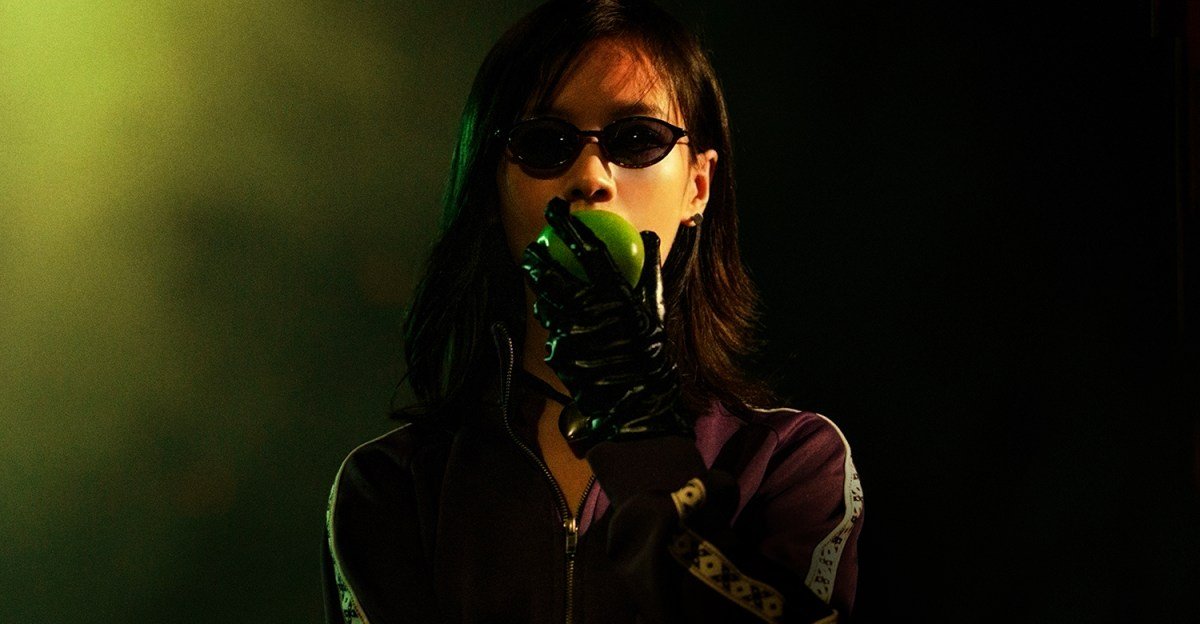
But none of those examples evaluate to the work of Chinese language filmmaker Bi Gan, who’s chargeable for essentially the most bold and spectacular lengthy take of the yr. His new sci-fi movie Resurrection — a labyrinthine expedition via Twentieth-century China — is capped by a unprecedented 30-minute monitoring shot, one which was truly completed as a single take. (For comparability, the longest reduce in Sam Mendes’ conflict movie 1917 is 9 minutes lengthy, every phase stitched collectively to make the movie seem contiguous.) Taking the viewer from nighttime to dawn, Bi’s oner trails its characters from a violent gang battle on the docks via wet alleyways to a raucous karaoke bar earlier than returning to the port, the place the romance between two leads takes an surprising, monstrous flip at sea. The impact is dazzling, destabilizing, and in contrast to anything you’ll see on display this yr.
What Bi has achieved with Resurrection is a unprecedented technical accomplishment, but additionally acquainted territory for him. His debut function Kaili Blues culminated in a 41-minute trek up, down, and throughout the agricultural mountain city of Dangmai; his final movie, Lengthy Day’s Journey into Night time, ended with a dreamlike, unbroken 59-minute lengthy take shot in 3D.
Although he spoke via a Mandarin interpreter, Bi, solely 36 years previous, was extraordinarily talkative and perhaps even a bit sly. The lengthy shot could be an incredible effort of collaboration and coordination throughout cinematographers, set designers, and a horde of extras, however for Bi, it’s type of his factor. He’s gotten fairly good at it. He advised The Verge how he pulls it off.
This interview has been edited and condensed.
The Verge: You’re strongly related to the lengthy take. What impact does the lengthy shot have on the viewer?
Bi Gan: For me, I actually take into consideration lengthy takes and its affect on the viewers. Through the use of lengthy takes, the viewers will perceive time significantly better. Due to the truth that if you find yourself watching this within the lengthy period and due to the mise en scène, which may truly power you to cease enthusiastic about utilizing the type of bounce cuts or fragmented method of telling a narrative. Now, you might be experiencing time in actual time, together with the digicam.
And when one thing is a single take, would you like viewers to note that it’s one lengthy shot?
It doesn’t actually matter whether or not or not they discover that it’s a lengthy take, however I do suppose that a lot of the viewers will. They know that this perspective in some way is shifting together with you. A very powerful is for them to know time, in some way being uninterrupted due to the lengthy take. but additionally that point is being compressed in such a method that you just expertise it because it evolves.
You even play with time within the lengthy take on this movie while you use time lapse. Have been you making an attempt to warp the expertise of time?
In my first movie, Kaili Blues, you could have three totally different tenses inside that specific lengthy take: one thing taking place previously, within the current, sooner or later, however all included in that one lengthy take. Whereas going into my second movie, Lengthy Day’s Journey into Night time, I actually needed to in some way use this specific lengthy absorb such a compressed approach to discuss recollections. It’s additionally completed in 3D. That brings out one thing very distinctive about recollections, how some issues are very fragmented. However due to using the lengthy take, it turns into extra holistic and concrete than our precise fragmented recollections.
Transferring on to Resurrection, I simply suppose that that is the easiest way to depict that one specific day, which is the final day of the Twentieth century, going into the twenty first century, the place two characters elope after which turn into vampires. One lengthy take for that’s as a result of that’s the finest automobile to inform that specific story.

Courtesy of Janus Movies
Do you know you needed one of many movie’s vignettes to be a protracted take while you have been writing the script, or did you work that out later?
This specific chapter got here first as a result of it’s truly an adaptation of one among my novels titled UFO, which is about two lovers eloping. I do suppose that while you translate from a written novel to a movie, then it’s essential to discover one of the best movie language for it.
At first, I used to be nonetheless making an attempt to determine what could be the easiest way to kind of make these phrases come alive in a visible method. It isn’t till throughout the capturing course of that I had a dialogue with my [director of photography] Dong Jingsong and with [production designer] Liu Qiang that we requested, How are we going to do that?
Dong confirmed me this specific portray by Mark Rothko, an summary portray with the pink colours, with slightly little bit of different colours. And in some way, the type of mixture of specific colours impressed me to begin enthusiastic about utilizing one lengthy, uninterrupted take as a approach to inform a narrative.
We actually take the sort of movie language in a really cautious method. We didn’t need to simply do it carelessly.
Do you are worried that each time anybody sees one among your movies sooner or later, they’ll count on a protracted take?
That’s okay, as a result of, you understand, I’m not likely certain by any guidelines. You possibly can inform from the movies I make.
This film is in dialog with a lot movie historical past. Staying on the lengthy take, are there different filmmakers who do it that you’re influenced by?
When it comes to this concept of that is very a lot a few movie about movies, it’s simply on the floor. That’s the method that I enter the subject material of what occurred within the Twentieth century in China.
When it comes to the affect from different filmmakers or different movies about lengthy takes, I don’t actually suppose that I used to be knowledgeable by them that a lot. For me, beginning with Kaili Blues, the explanation why I select to make use of a protracted take was very a lot on a philosophical degree. That was the easiest way to in some way current, philosophically, what I need to categorical in that specific movie. As a rule, I are inclined to attempt to subvert a number of preconceived notions or ideas about movies. So I don’t actually see myself as both paying homage or being knowledgeable or influenced by different filmmakers’ lengthy takes.
Once you begin planning out a protracted take and also you’re blocking it, like, what does that even seem like? How do you do it?
When it comes to the script itself, it’s very a lot action-based as a result of that’s the one method you could truly pull this off. One of many largest challenges for us is to search out the best location and area for this story to occur. That’s the beginning. I used to be discussing with the artwork administrators easy methods to scout an area that may be one of the best setting to inform the sort of story. We have been fortunate sufficient with the workforce of administrators and assistant administrators that they appeared round and eventually discovered this specific superb location with railroads, docks, and ports, after which the karaoke bar and the hospital.

Then it’s a relentless interplay and collaboration between the groups specializing in the scripts, after which the groups specializing in the units, after which the groups specializing in technical rehearsals. They need to consistently be working collectively and evolve in such a approach to truly lastly make this occur and make it a actuality.
The DP and the cinematographer contain the artwork administrators and the way we in some way need to work carefully and make a number of changes. If throughout the technical rehearsals, I discover a sure kind of technical problem that must be overcome, then we talk about the potential for altering or adjusting the script. After which we do one other technical rehearsal, after which, lastly, discovering out that that’s the easiest way to deliver all the things collectively.
After which we’ll deliver the actors down and do precise rehearsals.
How lengthy is the rehearsal interval?
From the second that artwork administrators are discovering area to the precise rehearsals, it took a month.
We might solely rehearse at night time, after which throughout the day, the actors and actresses would do another practices, resembling studying to function a ship and easy methods to sing karaoke.
Are they really driving the boat?
We even have a number of extras concerned for this specific lengthy take. In order a director, I’ll give them some context — that that is the final night time of 1999, after which they are going to be working in sure areas, resembling barber outlets or karaoke bars. After which primarily based on that, I’ll ask them to actually do character improvement themselves to consider, “Who you might be at this second of time, within the area, and the way would you serve the position as an additional for this specific take?”
In Resurrection, is all of it one take or is it stitched collectively?
When it comes to stitching it collectively, so long as you really feel that it’s one take, it’s a superb factor. And there’s nothing unsuitable with it. However for my case, for this specific take, it’s truly one uninterrupted take.
I used to be on the lookout for the seams however I couldn’t discover something.
What number of occasions did you must movie it?
Simply three? That’s spectacular.
Resurrection is in choose theaters now.