
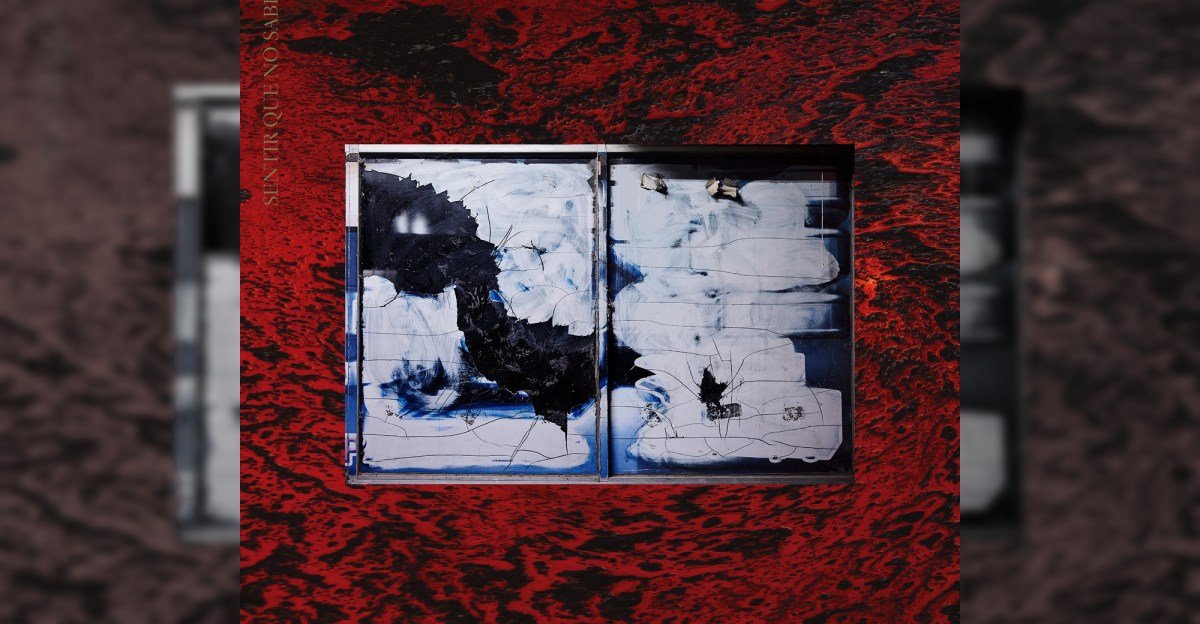
The opening notes of “Kravitz”, which kicks off Mabe Fratti’s 2024 report Sentir Que No Sabes, are lodged in my mind completely. It’s not a showy album, by any means. However there’s one thing concerning the buzzing of her cello, plucked as you would possibly an upright bass. The best way they ring out earlier than coming to an abrupt cease, fuzz nonetheless hanging within the air, set towards a easy kick and snare sat firmly within the pocket. There’s one thing industrial about the best way all of it comes collectively, like a jazzy “Nearer.”
Then come Fratti’s paranoid lyrics in Spanish about ears within the ceiling and somebody listening by means of the partitions, and the marginally atonal horn blasts. Within the again half, the association blooms with large piano chords, and the drums decide up steam. It’s the right opening to a report that sees Fratti taking her experimental impulses and dealing them into one thing that extra carefully resembles pop music, straying farther from her avant-garde roots.
Fratti was born in Guatemala, however operates out of Mexico. She’s advised Pitchfork that, as a toddler, her mother and father largely performed Christian and classical music round the home. However as a teen, she found Limewire and the works of experimental composers like György Ligeti. This extra expansive, internet-fed musical eating regimen is on show in tracks like “Pantalla Azul.” It flits about, toying with numerous types from goth rock to new age, however at all times coming again to the energy of Fratti’s melodic instincts. In the meantime, “Oidos” leans absolutely into chamber pop, with echoed cello stabs, plaintive trumpet, and what seems like an autoharp.
Even when the preparations are stripped down, Sentir Que No Sabes sounds lush and enveloping. It could really feel equally at residence in a espresso store or on an area stage. The manufacturing from I. La Católica (Héctor Tosta) is the glue holding collectively Fratti’s frantic stylistic shifts and jagged cello manipulations. It could be straightforward for the fragile horns, atonal pizzicato strings, and icy digital synths to sound like a number of totally different albums stitched collectively haphazardly. As a substitute, the undercurrent of unease and frivolously crushed drums type a thread tying all of the disparate items collectively.
That’s to not say there aren’t moments of full-on experimental freakouts. Fratti indulges her extra summary musical inclinations on interludes like “Elástica” I and II, however the brilliance of Sentir Que No Sabes is in the way it repackages her experimental instincts into one thing extra approachable and downright catchy at instances.
A comparability usually thrown round when discussing Fratti’s music is Arthur Russell, and it is sensible. Russel was additionally an avant-garde cellist with stunning pop instincts. However he not often married these two sides of his music as instantly as Fratti does. For essentially the most half, he had pop songs, and he had experimental compositions. Over her previous couple of albums, each as a solo artist and as one half of the duo Titanic, Mabe Fratti has sought to interrupt down these partitions.