
NEWNow you can take heed to Fox Information articles!
A single spritz may ultimately supply simultaneous safety in opposition to a number of infectious ailments.
Researchers at Stanford Drugs have developed a new vaccine that might stop a number of viruses without delay, together with COVID-19, influenza and pneumonia.
The vaccine is run “intranasally” by a nasal spray, which supplies “broad safety within the lungs for a number of months,” based on a Stanford Drugs press launch.
Researchers declare that is the closest science has gotten to making a common vaccine that protects in opposition to respiratory viruses, micro organism and allergens.
The research, revealed within the journal Science, examined the influence of the vaccine on mice. The animals got a drop within the nostril, some receiving a number of doses per week aside.

The brand new common nasal spray vaccine may defend in opposition to a number of viruses and allergens without delay, researchers say. (iStock)
Each mouse was then uncovered to a respiratory virus. Whereas vaccinated mice noticed safety for at the least three months, unvaccinated mice skilled dramatic weight loss attributable to sickness, lung irritation and dying. Each vaccinated mouse survived and had clear lungs, the discharge acknowledged.
The vaccinated mice had been additionally discovered to be protected in opposition to SARS-CoV02 and other coronaviruses, in addition to Staphylococcus aureus and Acinetobacter baumannii — that are frequent hospital-acquired infections — and home mud mites, a standard allergen.
VACCINE DEBATE HEATS UP AS OFFICIALS WEIGH SPLITTING COMBINED MMR INTO SINGLE DOSES
The common vaccine doesn’t goal a single virus, however as a substitute trains the immune system within the lungs to “present broad safety in opposition to many various respiratory viruses,” senior research writer Bali Pulendran, PhD, a professor of microbiology and immunology at Stanford, advised Fox Information Digital.
CLICK HERE FOR MORE HEALTH STORIES
“By reprogramming the innate immune cells that act inside hours of an infection, the vaccine prepares the lungs to combat off many various respiratory viruses, even new ones,” he stated.
“Our findings level towards what could also be doable sooner or later, however they aren’t an alternative to present vaccines at this time.”
If translated to people, a vaccine like this might substitute “a number of jabs yearly for seasonal respiratory infections and be readily available ought to a brand new pandemic virus emerge,” based on Pulendran.
“Think about getting a nasal spray within the fall months that protects you from all respiratory viruses, together with COVID-19, influenza, respiratory syncytial virus and the frequent chilly, in addition to bacterial pneumonia and early spring allergens,” the researcher stated. “That will rework medical follow.”
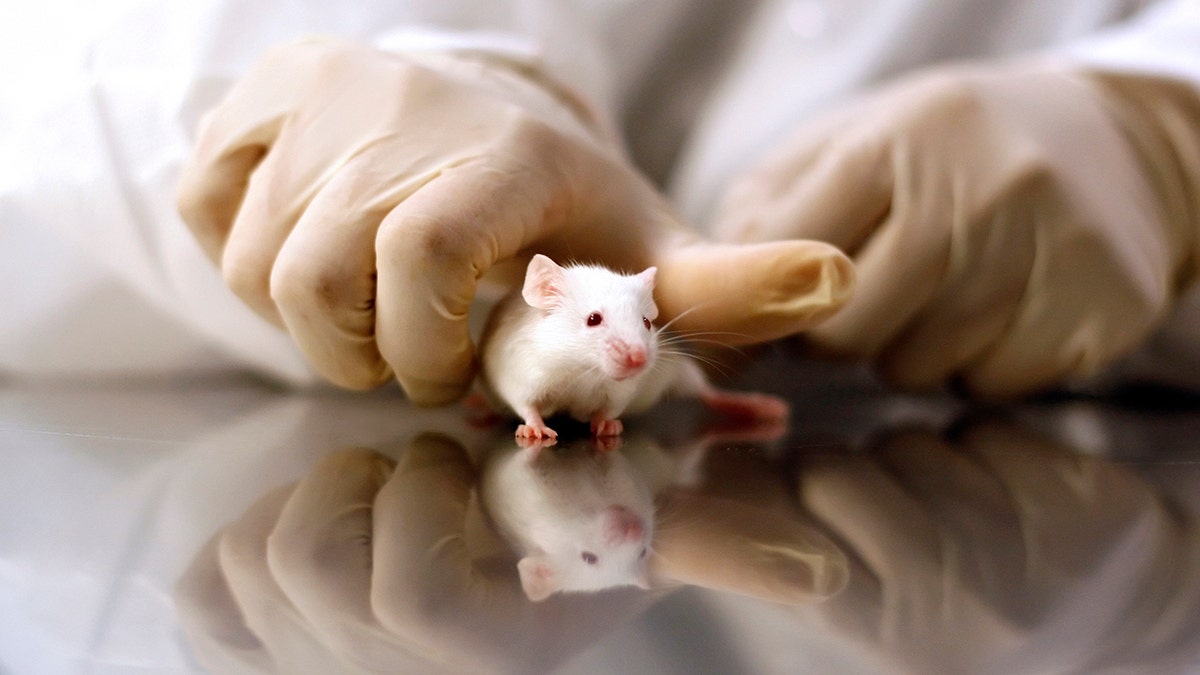
The preclinical trial in mice exhibits promise, as not one of the vaccinated mice died from sickness, the researchers shared. (iStock)
The outcomes of the research counsel that the immune system can “be skilled to mount a extra generalized antiviral defense within the lungs,” Pulendran added.
The researcher acknowledged that the research has some limitations.
CLICK HERE TO SIGN UP FOR OUR HEALTH NEWSLETTER
It’s a preclinical study carried out in animal fashions, making it an “necessary proof of idea reasonably than a completed human vaccine,” Pulendran stated.
“Whereas the outcomes are encouraging, further research are wanted to find out security, optimum dosing and effectiveness in individuals,” he added.

The lead researcher predicted that with the required funding, the nasal spray vaccine could possibly be out there in 5 to seven years. (iStock)
This analysis shouldn’t change present medical recommendation, based on Pulendran, and the general public ought to proceed counting on permitted vaccines and public health steering.
TEST YOURSELF WITH OUR LATEST LIFESTYLE QUIZ
“Our purpose is to not substitute present vaccines, however to enrich them by growing methods that might present an added layer of safety in opposition to a variety of respiratory threats, together with future pandemics,” Pulendran added. “Translation to people would require cautious clinical testing.”
The scientists’ subsequent step might be to check the vaccine in people. With enough funding, Pulendran predicts that the vaccine could possibly be out there in 5 to seven years.

The general public ought to proceed counting on out there vaccinations, the researchers advise. (iStock)
Dr. Robert H. Hopkins, Jr., the Arkansas-based medical director of the Nationwide Basis for Infectious Ailments, confirmed that there has “lengthy been curiosity” in growing common vaccines.
Hopkins, who was not concerned within the research, cautioned that the immune responses in mice usually are not an identical to these in people.
“This course of is an enchanting idea, and the research could be very fascinating, however many further steps should be accomplished efficiently and safely earlier than this could possibly be thought of in people,” he advised Fox Information Digital.
CLICK HERE TO DOWNLOAD THE FOX NEWS APP
“It’s going to doubtless take a few years, require vital monetary funding and contain a number of further research earlier than we all know whether or not this specific common vaccine candidate could be safely given to people and whether or not it should present comparable safety in opposition to respiratory bacteria and viruses.”
The research obtained funding from the Nationwide Institutes of Well being, the Violetta L. Horton Professor endowment, the Soffer Fund endowment and Open Philanthropy.
Associated Article